
“She is Chihera. She is the epitome of a liberated woman and the nemesis of patriarchy”, Ezra Chitando, Sophia Chirongoma and Munyaradzi Nyakudya on their work on Chihera as a Radical African Indigenous Feminst Principle.
In many African societies, conversations about women’s rights are often framed through imported lenses-theories developed far from our realities, our cultures, and our lived experiences. Our attempts to explain or understand gender relations often hinge on norms and ideologies imposed on the African discourse and life. But this is not call for puritanic return to what we can say is ourselves. Within our own traditions still lie powerful models of womanhood, courage, and feminist ethics.
The continuous rise of Gender-Based Violence calls on us to confront uncomfortable truths, dismantle harmful norms, and reimagine justice for women and other marginalized groups in Africa. Increasingly we often look to global frameworks to articulate gender rights and feminist principles, but Africa possesses its own powerful philosophies rooted in heritage, identity, and lived experiences. One of these is the Chihera philosophy. For me, this is not an abstract cultural idea; it is personal.
Chihera and Shona tradition
The Chihera totem is deeply rooted in Shona tradition. Historically, Chihera women are known for their boldness, assertiveness, and unwavering courage. Their reputation was not created by modern gender activism; it comes from generations of oral histories, clan narratives, and lived experiences of women who refused to be silenced. Chihera comes from the Shava or Mhofu (eland) clan, which itself symbolises grace, intelligence, dignity, and strength.
The women of this lineage inherited not only the name, but the spirit of those who came before them.
To be Chihera is to carry a cultural memory of resistance. It is to embody a no-nonsense stance against abuse, exploitation, and cruelty. It is to reject silence in the face of wrongdoing. Chihera women have historically challenged patriarchal norms not through borrowed Western ideologies, but through an indigenous understanding of justice, respect, and womanhood. In this way, Chihera is one of the clearest examples of African feminism rooted in tradition.
I was born Chihera, from the Shava (Eland) Mhofu clan, and I grew up hearing the affectionate nickname “Chihelele”, a lighter, playful version of Chihera reserved for girls like me. I never understood the depth of its meaning when I was young, but as I grew older especially through my research and work on gender justice, I realised that Chihera is far more than a totem.
Yvonne Winfildah Takawira-Matwaya in her study on Chihera’s Twenty-First Century Profiling: Re-converging from past Divisions in Monolithic Defying of Traditional Patriarchal Culture, Chihera in the Zimbabwean Shona culture is a title given to a female of the “Mhofu yemukono” totem which is also be called “nhuka”. She further postulates that Chihera is women are widely known for embracing their “feminine masculinities” in a society that is dominated by men. Fadzai Matumbu’s study “If only it wasn’t for me” Chihera as Head of the Family in a Time of Economic Crisis described Chihera as a woman who is liberated, who refuses to be confined to the society’s traditional norms and expectations. She challenges societal norms and refuses to be constrained by traditional expectations or limitations on her actions and ambitions.
However, within the patriarchal narratives, her expressions are often misunderstood or misrepresented as rebellious, moral excess or culturally transgression, leading to the dismissal of Chihera as culturally inappropriate rather than recognised as an Indigenous Feminist philosophy that legitimises women’s agency. For me, Chihera is not merely a totemic identity; it is a living feminist framework, a personal lineage of defiance against injustice and a reminder that African womanhood has always contained its own blueprint for liberation. It is a philosophy, an ethic of courage, and perhaps even a framework for gender justice that Africa needs today especially as a tool against Gender-Based Violence.
In many communities, the mention of “Chihera” evokes a very specific image. People smile knowingly; they expect a woman who is straightforward, direct, and unafraid to say what she thinks.
Chihera is associated with clarity, with wanting things straight, clean, fair, and honest. You cannot manipulate a Chihera woman easily. She will ask you to say things plainly, to explain yourself without hiding behind excuses. This insistence on straightforwardness is not arrogance. It is integrity. It is a cultural expectation that women in this lineage speak truth, protect themselves and others, and refuse to capitulate under pressure.
As a child, being called “Chihelele” by my elders was both affectionate and instructive. The nickname suggested a softness in age but a hardness in spirit and a reminder that even as a little girl, I carried the Chihera spirit. I was taught that Chihera women do not shy away from speaking their minds and we do not stand for injustice. Over time, these traits became not just cultural markers, but principles that shaped how I understood womanhood, justice, and my role in society.

Where Chihera Meets Feminism
African women are often portrayed as oppressed, passive, or lacking agency straight from a colonial playbook. But the Chihera lineage challenges these stereotypes. Long before the language of today’s gender studies existed, Chihera women were already practising resistance, autonomy, and self-determination. They defended themselves, challenged unfair treatment, and demanded accountability. This is feminism long before the word itself entered African discourse. In a world where African women are sometimes asked to choose between cultural identity and feminist empowerment, Chihera proves that this is not a question. In fact, Chihera shows that empowerment can emerge from cultural heritage itself.
The Chihera identity is therefore not just cultural, it is ideological. It teaches us that feminism is deeply African, proudly indigenous, and culturally authentic. Chihera as a Framework for Gender Justice in Africa, when fully embraced and appreciated, can serve as a powerful framework for addressing gender inequality not only among Shona people, but across the African continent.
What makes the Chihera Framework unique is that it provides a culturally grounded foundation for feminist thought. A Chihera-inspired gender justice framework would emphasise:
- Truth-telling: Women must speak openly about their lives, harm, exclusion, and mistreatment.
- Courage: Standing up against violence and discrimination even when it is risky.
- Dignity: Recognising the inherent worth of every woman and refusing any form of dehumanisation.
- Respect: Ensuring that women are listened to, valued, and included in all decision-making spaces.
- Protection: Creating communities where women’s safety and well-being are non-negotiable.
- Accountability: Those who harm women should face consequences no excuses, no cultural justifications and women’s expression must be protected and guaranteed.
These principles are deeply African. They resonate across cultures, languages, and communities. The Chihera Framework therefore offers a Pan-African Indigenous Feminist Ethic rooted in who we are, not in what others teach us to be. It is a framework that honours our ancestors while empowering our daughters.
Why We Need the Chihera Framework
At a time of anti-gender backlash, populist roll-back of women and minority rights, gender-based violence surging including technology-facilitated violence a time when women’s economic and political participation is still stifled, and when cultural excuses are often used to silence women, Chihera rises as a necessary reminder that African women have never been passive.
We have always resisted. We have always spoken and always stood firm. Chihera connects to generations of women who fought quietly and loudly, who protected their families, who refused to be mistreated, and who carried themselves with dignity. Yet the patriarchy has always tried to mislabel Chihera women as “rebellious,” “too outspoken,” or even dismissed as mad (anopenga). These labels are not reflections of who we are they are but a reaction to the discomfort created when a woman refuses to be silenced.
Instead of treating “Chihera” as a nickname for being difficult, defiant, or unruly, we should recognise that her courage and refusal to accept abuse are crucial for promoting within society. It is the clarity that demands straightforwardness. If society calls that rebellion, then it is a rebellion against injustice and such a rebellion is worth embracing. This is precisely why Chihera should evolve into a framework for gender justice. Its values honesty, dignity, strength, accountability, and protection, can benefit not only women, but the society at this critical time. Chihera teaches respect, responsibility and that a community thrives when truth is spoken and when people refuse to normalise harm. The rebellious spirit of Chihera is, in fact, a blueprint for transforming societies into safer, more equitable spaces for all.
Reclaiming Chihera is therefore not only about cultural pride, but about social transformation. It is about drawing strength from our heritage to confront the injustices we face as women of today. Chihera is a philosophy of liberation, a call to courage, and a reminder that African feminism is not foreign, but inked in the histories.
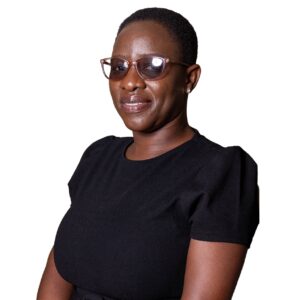 Alison Nyaradzo Zuva is a feminist writer, PhD Candidate in Politics and International Relations at the Department of Politics and International Relations at the University of Johannesburg, South Africa whose work explores the intersections of gender, culture, and resilience.
Beautiful piece and more insight into the Chihera strength. Love that I totally relate that I know they cannot be bullied,silenced. Even as someone who has a different totem.